


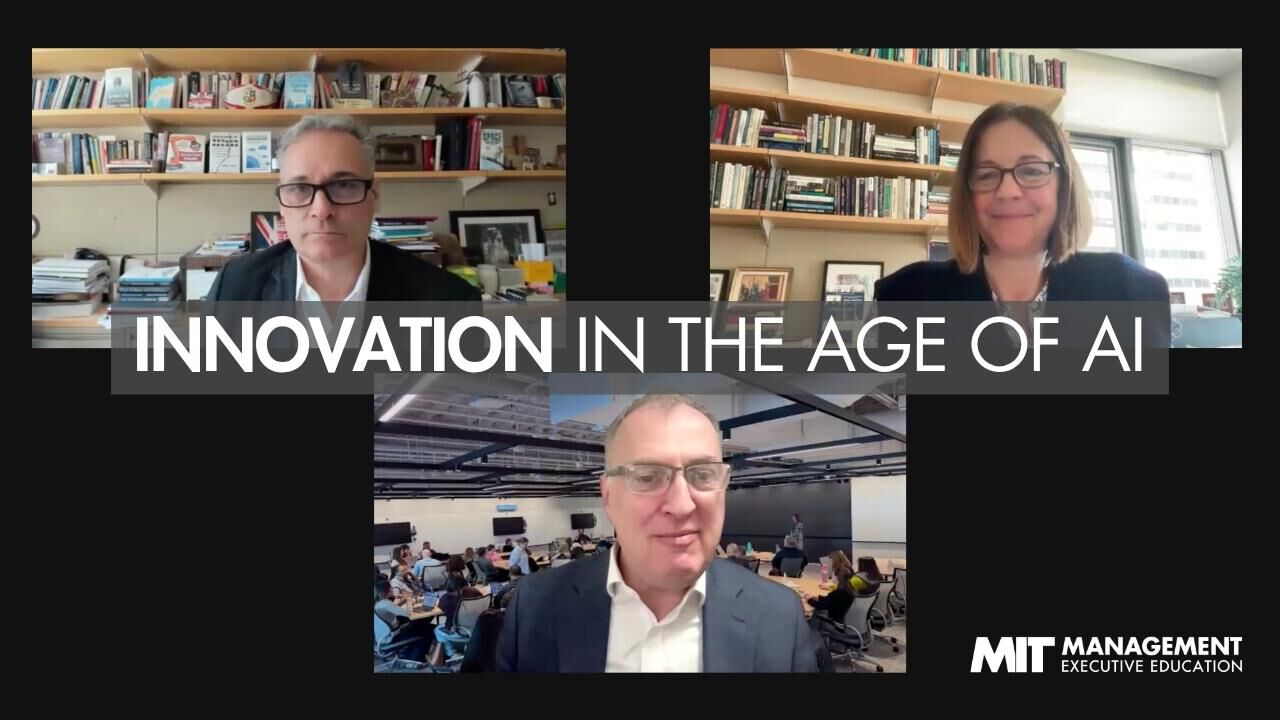



My MIT Sloan colleague Eric So, Professor of Global Economics and Management, has been thinking deeply about this question. In his new book, The Collision: What AI Does to Us, and a recent MIT Sloan Executive Education LinkedIn Live conversation with Director of Executive Programs Mollie Laffin-Rose Agbiboa, Eric explores how our growing reliance on AI is changing how we work and think. His observations raise important questions for leaders about the consequences of making difficult work easier.
Efficiency can come at a cost
Eric's interest in this subject began with an everyday experience. Responding to a colleague who had asked for advice, he started drafting an email, then turned to ChatGPT to finish it. Within moments, he had a polished response ready to send, but found himself unexpectedly uncomfortable: He had removed his own thinking from a task that would ordinarily have required it.
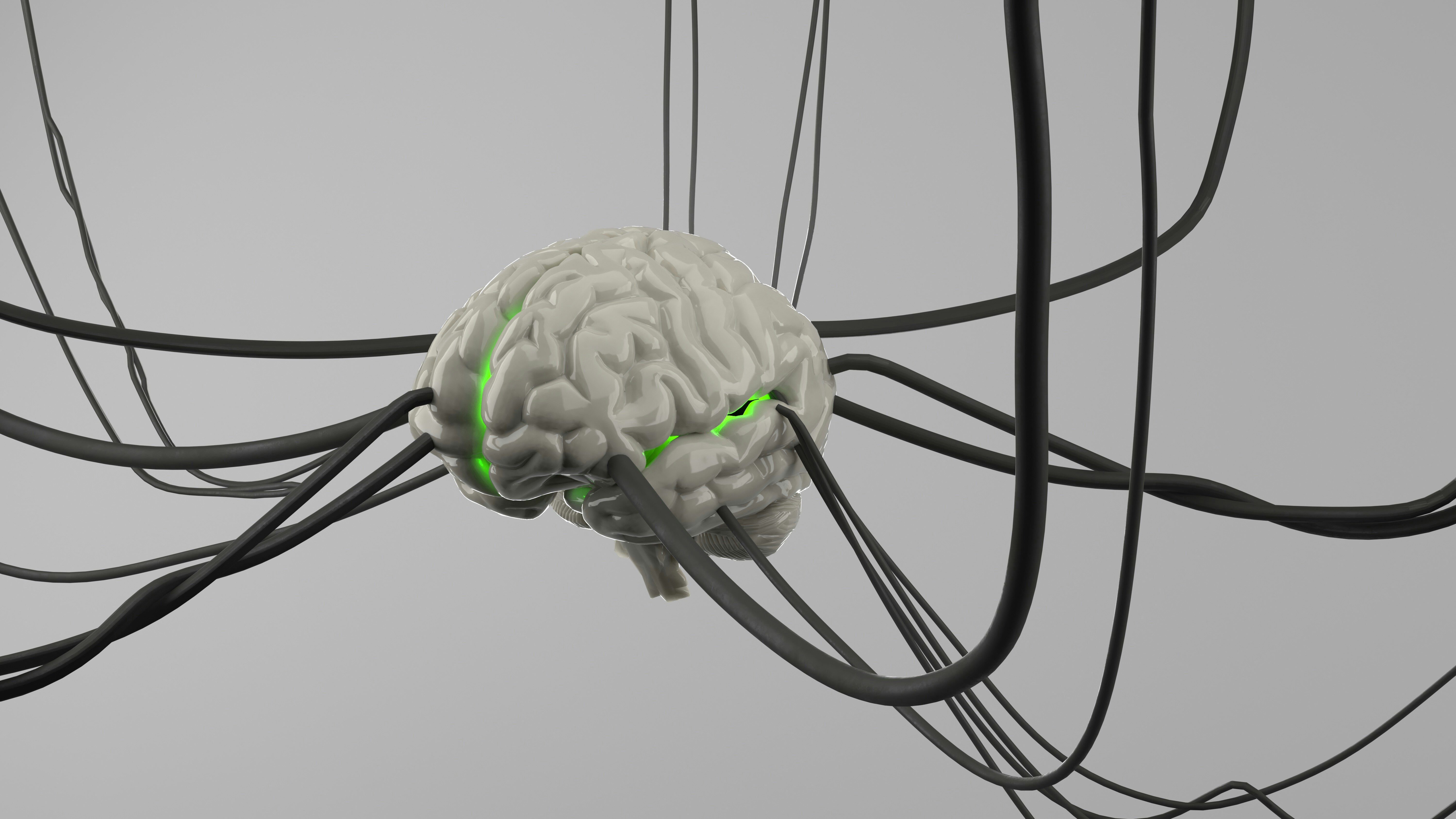
That experience led him to consider how easily AI can become a substitute for intellectual effort. He calls this the "comfort trap": The more we rely on technology to make difficult tasks easier, the less we practice doing them ourselves. Eventually, that convenience can make it harder to work without AI.
The value of doing difficult work
One of Eric's more thought-provoking arguments is that we may be too quick to eliminate struggle from our work. We see difficulty as something to overcome with better tools and more efficient processes, even though working through complex problems is often how we develop expertise.
“If you're using AI to solve problems that are meant to build capabilities, that's a little bit like bringing a forklift to the gym.”
This distinction is especially important when organizations consider how to develop future professionals and leaders. Eric points to the importance of tacit knowledge: expertise acquired through experience and mentoring that cannot easily be captured in manuals. As organizations automate entry-level tasks, leaders need to preserve opportunities for junior employees to work through problems themselves, learn alongside experienced colleagues, and exercise independent judgment.
Are we measuring the right things?
Eric questions how organizations encourage AI use, citing companies that link employee incentives to how frequently they use the technology. Such measures may drive usage without revealing much about the quality of the work produced. For leaders, this means looking beyond usage statistics to evaluate whether AI contributes to better decisions and organizational performance.
“We need to measure what we value and not value what we measure.”
Eric also observes that employees traditionally build relationships and trust by solving problems together. Turning to AI instead of colleagues may be more efficient, but it can also change how knowledge is shared and professional relationships develop.
Making AI an opportunity to grow
Eric is emphatically supportive of AI. As faculty co-director of MIT Sloan's AI Executive Academy, he helps leaders understand its practical applications while encouraging them to think carefully about how they use it.
He distinguishes between "efficiency AI," which helps us complete tasks faster, and "opportunity AI," which enables us to pursue work previously beyond our reach. The latter suggests a more ambitious approach to productivity: using the time AI frees up to take on new challenges.
Eric also encourages people to identify their "signature thinking skills": the intellectual capabilities that define their expertise and that they most want to strengthen. For leaders, this provides a starting point for deciding where AI adds value and where people should remain actively engaged.
For leaders interested in exploring these questions further, I recommend MIT Sloan Executive Education's AI Executive Academy, where Eric is a faculty co-director. This immersive, two-week program combines technical understanding with business strategy and practical applications. Explore the program and apply for an upcoming session.