





Davis also teaches in MIT Sloan Executive Education’s Future Family Enterprise: Sustaining Multigenerational Success program, focused on helping families sustain long-term success across generations.
Takeaways from: Succession in Family Enterprise is Changing: It’s a New Era
To hear the full discussion, watch the full webinar recording here.
A New Era is Reshaping Family Enterprises
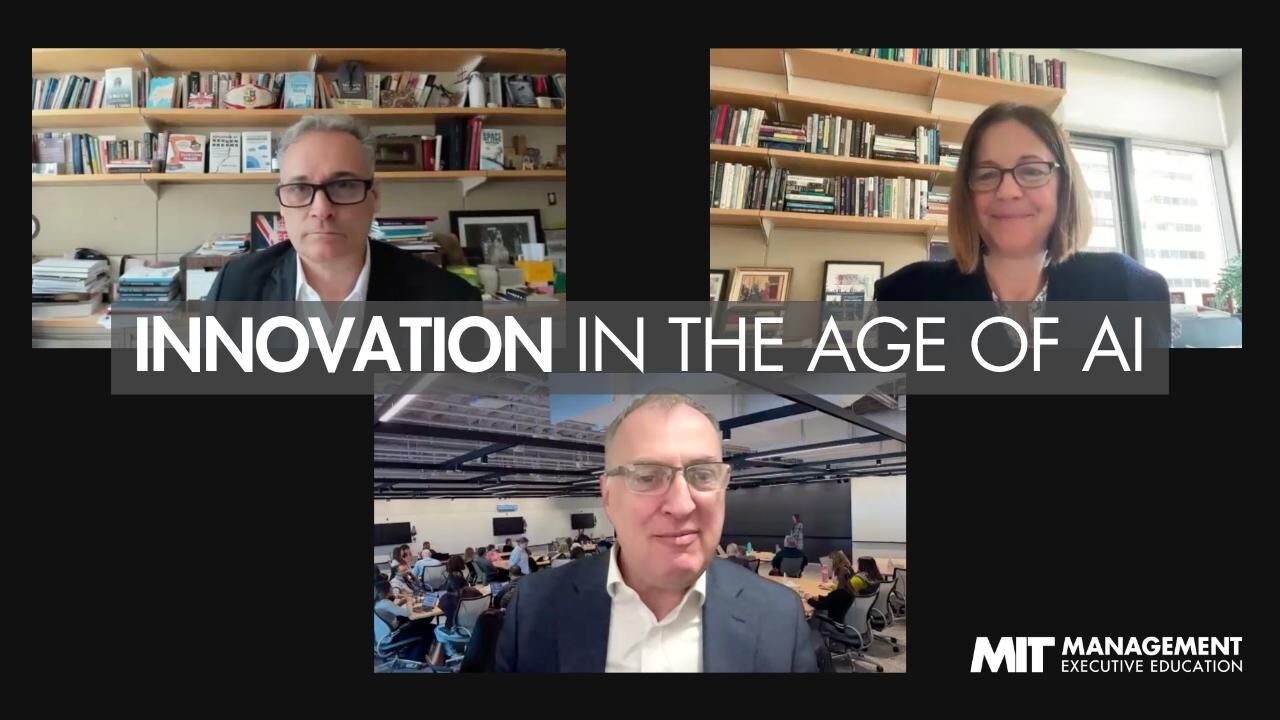
Over the course of his career, Davis has worked with hundreds of family enterprises around the world, studying, researching their dynamics, and helping them address the unique opportunities and challenges they face. Hirst noted that Davis has long observed how the increasing pace of change, driven by technological advancement, global economic development, and broader societal trends, is reshaping the environment in which family enterprises operate.
Davis began observing this shift around 2010, with broader recognition emerging by 2017 as artificial intelligence accelerated changes across both business and society. “Few people would doubt that we’ve moved into something different now.”
Davis emphasized that understanding this new era requires paying attention to multiple forces of change, not just AI but a wide range of technologies that influence how businesses operate, how leaders make decisions, and how people live and work. These external forces are driving internal changes within both families and organizations, from workplace culture and organizational structures to evolving family dynamics and generational perspectives.
Why Succession is More Complex Than Ever
Succession has always been one of the most critical inflection points in the life of a family enterprise. When done well, it sets the organization on a strong trajectory; when handled poorly, through poor timing, the wrong leadership choice, or lack of preparation, it can lead to long-term challenges. As Davis stated, “you do it well, you’re on a better trajectory. You do it poorly… you’re on a different trajectory”.
The Shift in Next-Generation Mindset
While succession has always mattered, it has become significantly more complex in this new era. In Davis’s research, many next-generation family members are delaying entry into the family business or choosing different paths altogether. As there is growing interest in entrepreneurship and investing, reflecting a shift towards individual career paths rather than traditional roles within the family enterprise. “For most next-generation members, there was no better career opportunity than to go into your family business. Today, that’s not necessarily true. “This shift should not be seen as a problem, but as a structural change in how the next generation views career, identity, and opportunity.
From Operation to Owner Mindset
Industries are evolving rapidly, with increased competition, new entrants, and greater consolidation than in the past. Previously, family businesses could often predict their long-term position within an industry, allowing them to develop leaders through a gradual, operational career path. Today, that model is far less reliable. Businesses are more complex, industries shift more quickly, and it can take 15 or more years for individuals to move through traditional leadership pipelines. “It was the owner's decisions… that were most fundamental in keeping long-term success,” according to Davis. As a result, Davis emphasized the need to shift focus from developing operations to developing owners and leaders who can think strategically about the long-term direction of the enterprise.
Rethinking Leadership: It May Not Stay in the Family
As industries evolve and businesses grow more complex, leadership in family enterprises is also changing. While many organizations have traditionally prioritized keeping leadership within the family, Davis suggests this approach may not always be sustainable in the future.
In some cases, bringing in external leadership can provide the expertise and perspective needed to navigate increasing complexity and competition. This shift reflects a broader move towards professionalization, where leadership decisions are based not only on family ties but on the capabilities required to lead the business for the future.
This perspective challenges long-standing assumptions families may have, and encourages them to think more flexibly about what leadership should look like in the years ahead.
The Generational Tension Problem
Another challenge family enterprises have been facing is the growing tension between generations.
As older generations remain active in leadership roles for longer periods, younger generations often find themselves waiting extended periods for opportunities to lead. At the same time, younger family members may be seeking earlier involvement or different types of roles. As Davis notes, “there’s no natural period where both generations are satisfied.” This dynamic can create friction if not addressed proactively, making open communication and clear expectations essential.
Preparing the Next Generation (What to do)
Given these shifts, preparing the next generation requires a broader and more flexible approach for the future. Rather than following a single path into the family business, many next-generation leaders benefit from gaining experience outside the organization, developing independent perspectives, and building diverse skill sets. This approach will help future leaders develop not only operational knowledge but also the strategic thinking required to act as effective leaders and owners.
The Role of Dialogue in Family Success
Throughout the discussion, one theme remained consistent: the importance of dialogue.
Family enterprises are not only businesses, but they are also systems of relationships, perspectives, and expectations. Without open communication, even well-designed succession plans can struggle to succeed.
Davis emphasized that creating space for honest conversations allows family members to better understand each other’s goals, concerns, and aspirations.
What Does all This Mean for the Future of Family Enterprises?
Succession in family enterprises is no longer a predictable or linear process. As industries evolve, technologies advance, and generational expectations shift, the path forward requires greater flexibility, broader thinking, and more international preparation.
From redefining leadership to developing an ownership mindset and fostering open dialogue, families must adapt how they approach succession in order to remain competitive and resilient.
Learn how your organization can prepare for the future, explore the Future Family Enterprise: Sustaining Multigenerational Success program from MIT Sloan Executive Education.