








The real estate industry is evolving at an unprecedented pace, reshaping both how properties are bought and sold and how organizations manage and utilize space. At the heart of this shift is proptech — specialized technology that, alongside innovative design and space usage strategies, is redefining what’s possible in the built environment.
Learn how proptech innovations are shaping the future of commercial real estate companies and how executives can leverage these tools and platforms to drive strategic advantage.
What is proptech, and why does it matter today?
Property technology, or proptech, encompasses the spectrum of digital tools and platforms transforming the real estate sector. At its core, proptech is about leveraging technology to make the design, management, and transaction of property more efficient, data-driven, and responsive to modern needs. It includes:
- Smart building management systems for energy-efficient or “green” buildings
- Analytics platforms that track market trends and optimize investment decisions
- Digital marketplaces for buying and leasing property
- Emerging solutions like smart contracts or virtual property tours
Rethinking strategy and risk in the age of proptech
The relevance of proptech today stems from the broader digital transformation sweeping across industries. Real estate companies have historically been slow to adopt technology compared with sectors such as finance or retail. Yet the pace of change is accelerating as tenants, investors, and regulators increasingly demand sustainability and real-time insight. In fact, Business Fortune Insights projects the global proptech market to grow from $44.59 billion in 2026 to $104.57 billion by 2034.
As a result, organizations embracing proptech are gaining both operational efficiencies (through automated workflows, predictive maintenance, or data-backed decision-making) and a tangible competitive edge.
Proptech is also reshaping how executives think about strategy and risk in the built environment. Decisions that once relied heavily on experience and intuition can now be informed by analytics and scenario planning. Leaders equipped with a nuanced understanding of these tools are better positioned to anticipate shifts in tenant expectations, regulatory landscapes, and market dynamics.
Forward-thinking executives use proptech as a strategic lever, reducing operational friction and unlocking new business models.
Key types of proptech
Here's a closer look at the main types of real estate proptech and how they influence how spaces are designed, managed, and experienced:
Smart home technologies
Proptech extends into residential and commercial spaces through IoT-enabled smart home systems. Occupants or renters can control lighting, climate, and security remotely, while energy consumption can be optimized in real time.
Beyond convenience, these systems generate valuable data for executives and property managers, offering insights into usage patterns, operational efficiency, and tenant satisfaction — all of which inform long-term planning and asset strategy.
Property management platforms
Digital property management platforms for property owners function as centralized hubs, automating routine workflows such as rent collection, maintenance requests, and tenant communications. With user-friendly interfaces for both tenants and owners, these systems streamline operations and foster responsiveness.
For executives, property management platforms provide actionable data on occupancy trends, financial performance, and tenant engagement. They support decisions that balance operational efficiency with tenant experience.
Real estate fintech
Fintech solutions in real estate are redefining how transactions are conducted. From secure digital payments to blockchain-enabled property records, these technologies ensure transparency, accuracy, and reduced risk of fraud.
Real estate fintech offers tools to manage investments with confidence and explore innovative models such as tokenized assets or fractional ownership — bringing financial sophistication to property strategy.
Construction technology (ConTech)
Proptech is transforming the construction process through innovations such as:
- Architecture apps
- 3D printing
- Modular construction
- Building information modeling (BIM)
- Robotics
ConTech tools and platforms accelerate design iterations, reduce construction timelines, and improve precision, all while optimizing resource use and lowering costs. When paired with construction time-tracking software, executives can gain greater visibility into project progress to identify bottlenecks and make more informed decisions. This helps turn complex builds into data-driven, predictable outcomes.
Collectively, these proptech solution categories reshape how executives approach commercial real estate as a strategic asset. From construction technology and management to financial oversight and user experience, understanding and leveraging these innovations is essential for maintaining a competitive edge in a technology-driven landscape.
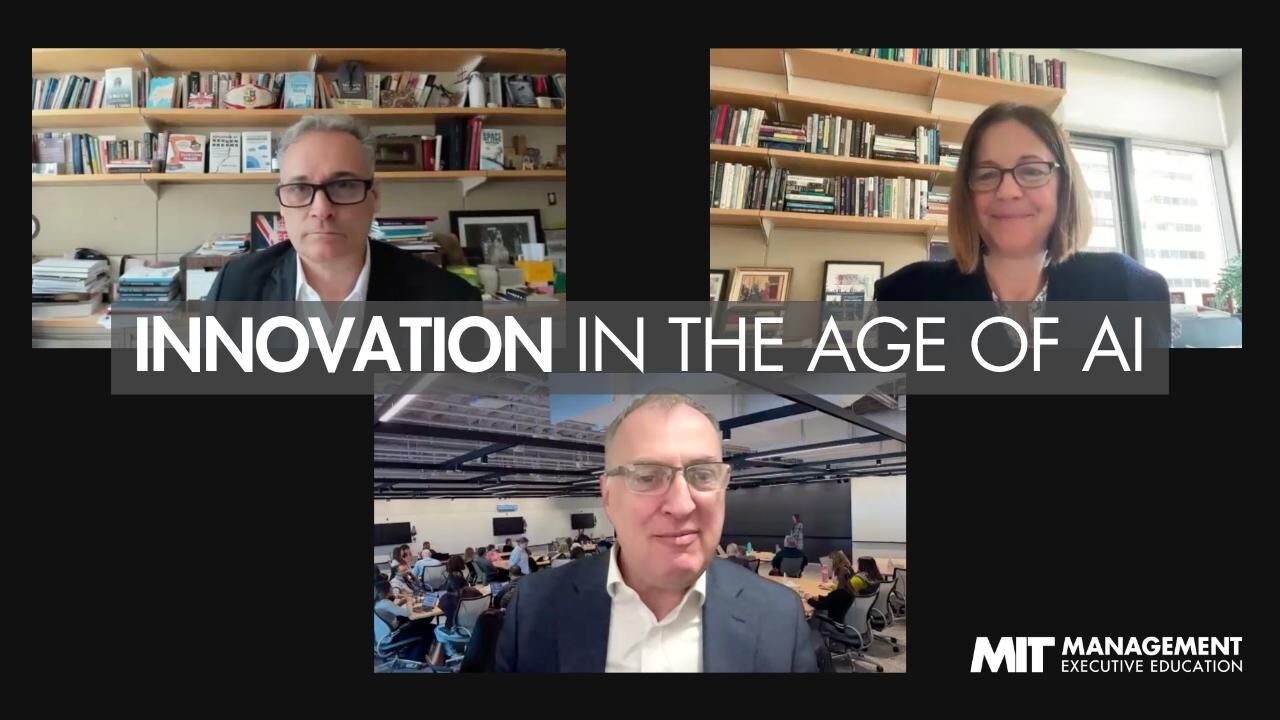
To learn more about proptech’s modern influence, check out our webinar: MIT Experts on Real Estate Innovation in the Digital Age.
How are real estate market operations changing due to technology?
Proptech is transforming the operational landscape across the real estate market. Here's how:
Engaging with local government and policy
At the policy and regulatory level, proptech facilitates more effective engagement with local governments. Digital platforms provide real-time access to zoning, permitting, and compliance data, enabling executives to anticipate regulatory shifts and navigate approvals more efficiently.
The result is faster project timelines, reduced risk, and a clearer line of sight on policy impacts — a critical advantage in highly regulated urban markets.
Redefining design and development
In design and development, technologies such as BIM, AI-driven simulations, and modular construction platforms are redefining how projects are conceived and executed. Teams can:
- Iterate designs rapidly
- Test scenarios digitally
- Optimize materials and labor allocation before breaking ground
These capabilities allow companies to reduce cost overruns, improve sustainability outcomes, and deliver spaces that better align with renters’ needs and market demand.
Modernizing corporate real estate management
Property management platforms, IoT-enabled smart buildings, and predictive analytics provide corporate real estate management executives with a unified view of portfolio performance. From occupancy patterns and energy usage to tenant engagement and financial tracking, these insights enable data-informed decisions that enhance both operational efficiency and strategic planning.
Supporting collaboration and strategic advantage
Perhaps most importantly, the flexibility of proptech allows firms across real estate domains to interact and collaborate more effectively. Shared data, integrated platforms, and automated workflows foster alignment between developers, managers, and regulators, which reduces friction seen in the past and accelerates outcomes.
For executives, the lesson is clear: A proptech solution can help anticipate change, optimize resources, and enhance the overall value of real estate portfolios in an increasingly complex market.
How can executive education teach you about real estate technology?
As proptech reshapes how spaces are designed, managed, and transacted, executives need a strategic understanding of how these technologies create value. Executive education provides a structured, high-impact way for leaders to stay current, explore practical applications, and translate emerging tools into actionable strategies.
At MIT Sloan Executive Education, programs combine rigorous frameworks with real-world scenarios, allowing participants to:
- Assess technologies
- Evaluate their business impact
- Explore use cases relevant to their own companies
The learning experience extends beyond the classroom: Executives engage with peers from diverse industries, exchanging perspectives and insights that deepen understanding of complex challenges and accelerate strategic thinking.
The faculty guiding these programs brings both intellectual rigor and practical expertise. Leaders in organizational networks, urban economics, workplace strategy, and technology integration provide participants with frameworks and perspectives that make proptech solutions tangible and actionable.
Through these programs, participants gain the knowledge, frameworks, and strategic insights to make informed decisions in an environment where proptech adoption increasingly determines competitive advantage.
Begin your proptech learning journey
Property management is moving from operational oversight to a customer-centric approach. Proptech empowers executives to enhance the user experience, improve energy efficiency, and ensure spaces meet both current and future needs. Mastering these technologies has become a strategic competency, guiding smarter portfolio management and operational decisions while unlocking the full potential of digital real estate.
MIT Sloan Executive Education offers a clear path to build this expertise. Through rigorous frameworks, real-world applications, and peer collaboration, executives learn to translate emerging technologies into actionable strategies. Engaging with faculty experts and diverse peers equips participants to drive innovation, make informed decisions, and uncover new opportunities — preparing them to advance in their current roles or take on higher-level leadership positions.
Ready to turn proptech from an abstract trend into a strategic advantage? Enroll in Shaping the Future of Real Estate from MIT Sloan Executive Education today.